
Bell-bottoms, miniskirts, go-go boots, lava lamps, the Twist, civil rights, political protests and the sexual revolution. All fads and trends of the 1960s, and most likely you are familiar with at least a few of them.
But do you also know that essential oils were being introduced to the modern world in the 1960s?
Sixties Pioneers:
Jean Valnet, a French army surgical assistant during the Indo-China war (1948-1959), treated wounds with essential oils when conventional antiseptic medical supplies ran low. After the war, Dr. Valnet continued to use essential oils in clinical practice and published research results in his book, “The Practice of Aromatherapy” (1964).
Marguerite Maury, a biochemist and cosmetologist, developed lymphatic drainage massage and brought aromatherapy to England in the 1960s. Her book, “Guide to Aromatherapy: The Secret of Life and Youth”, first published in France in 1961 under the title “Le Capital Jeunesse”, was translated to English in 1964.
Hitting the Road:
The hippie trail, somewhat inspired by the Beatles’ trip to Rishikesh India, became the rage for those seeking adventure and spiritual enlightenment. An overland round-trip taken by hippies and adventurers between Europe and South Asia ran through Istanbul to Iran, Afghanistan, Pakistan, Nepal and India. As a token of the mystical experience, incense and scented oils were brought back home.
A Sense of Scents:
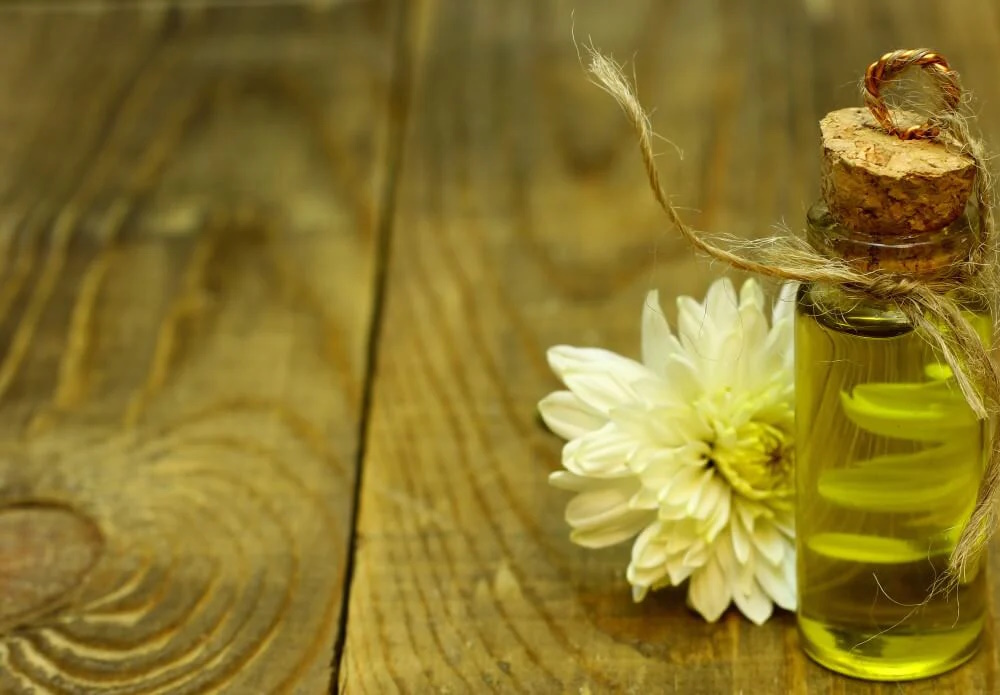
Patchouli, sandalwood, lavender, jasmine, and nag champa were among favorite scents in the 1960s. Considered natural and authentic, oils fit into the culture and environmental values of the times. Used to relieve stress, raise consciousness, spark desire, and mask unwanted odors, both oils and incense began to gain in popularity.
Here and Now:
Today, aromatherapy has grown and is used in holistic healing, therapeutic massage, and emotional well-being. Considered a form of alternative medicine, there are numerous benefits of essential oils when used responsibly and correctly. Thanks in part to the eclectic and experimental trends of the groovy 1960s, the practice of aromatherapy continues to rise today.
 Naturally Groovy Oils
Leave a comment